Sample Guidelines
These guidelines explain how to collect, prepare, package, store, and ship samples for our Bird DNA Sexing service. Please follow these instructions carefully to help maintain sample quality and reduce the risk of delays during international shipping to Japan.
1. About These Guidelines
These guidelines apply to samples submitted to forbird for Bird DNA Sexing. They describe the basic requirements for sample collection, handling, packaging, storage, and shipment.
Please also check the instructions provided on the Bird DNA Sexing page and in your order confirmation email before sending your samples.
2. Eligible Birds
Our Bird DNA Sexing service is available for a wide range of bird species, including parrots and parakeets, passerines such as finches, owls, birds of prey, pigeons, and many other species.
However, we cannot accept the following birds or individuals:
- Palaeognathae, such as ostriches and emus.
- Birds known or suspected to have an infectious disease.
- Birds that have been captured, acquired, kept, transferred, or imported in violation of applicable laws or regulations.
- CITES-regulated birds without the required registration, permits, or other appropriate documentation.
- Poultry and related birds that may be subject to import restrictions in Japan, including chicken, quail, pheasant, ostrich, emu, guinea fowl, turkey, duck, goose, and related birds, including birds in the order Anseriformes.
- Any other species or individual that forbird determines cannot be appropriately tested or accepted.
3. Accepted Sample Types
Bird DNA Sexing can be performed using feathers, eggshell membrane, claw or nail clippings, or blood.
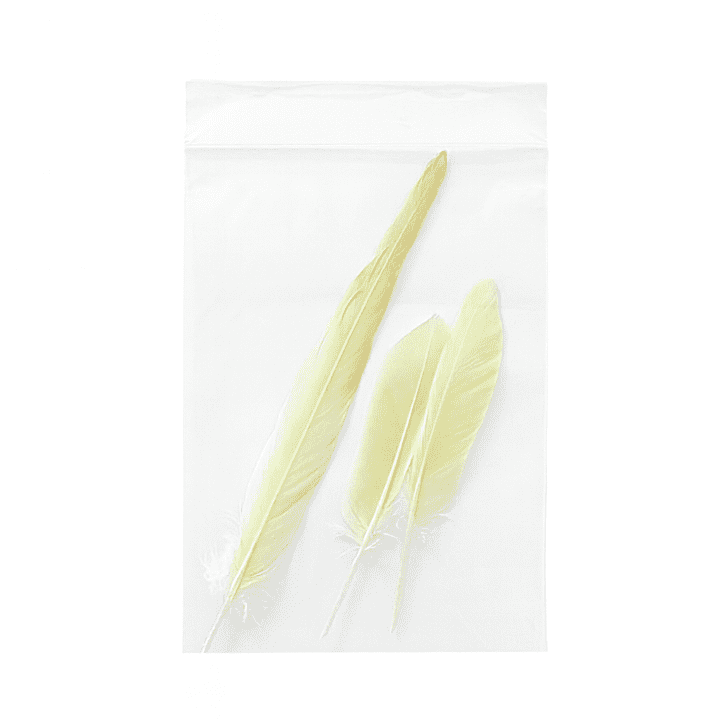
- Please provide 3 or more feathers, either naturally molted or plucked.
- For naturally molted feathers, use fresh and relatively large feathers whenever possible.
- If naturally molted feathers are not available, plucked feathers can also be used. To minimize stress on the bird, you do not need to pluck large feathers. Please collect 3 or more feathers that are already loose or close to being shed, or small feathers from the chest area.
- Feathers must have the base of the feather shaft (calamus) intact.
- If blood from the bird is attached to the feather, do not wipe it off.
Down feathers, very small feathers without a usable shaft base, and feathers heavily contaminated with feces or water cannot be used.
View sample image
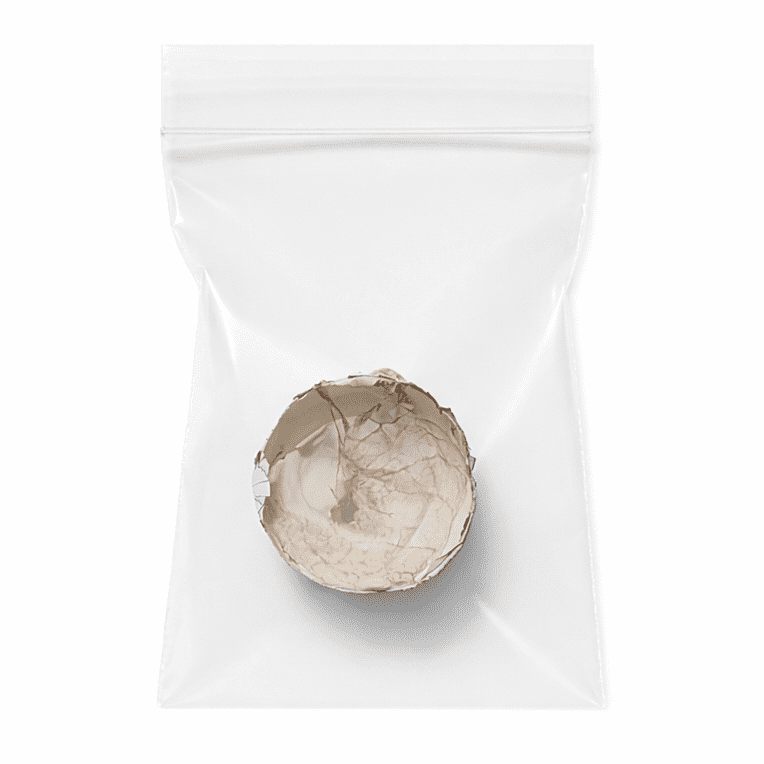
- Please send eggshell from a hatched egg with the inner eggshell membrane attached.
- The entire eggshell is not required. A portion of the shell with membrane attached can be used.
- If blood or body fluids from the chick are present, do not wipe them away. Allow the sample to dry thoroughly.
- Protect the eggshell with suitable cushioning material so that it does not become completely crushed during shipping.
Unhatched eggs cannot be accepted.
View sample image
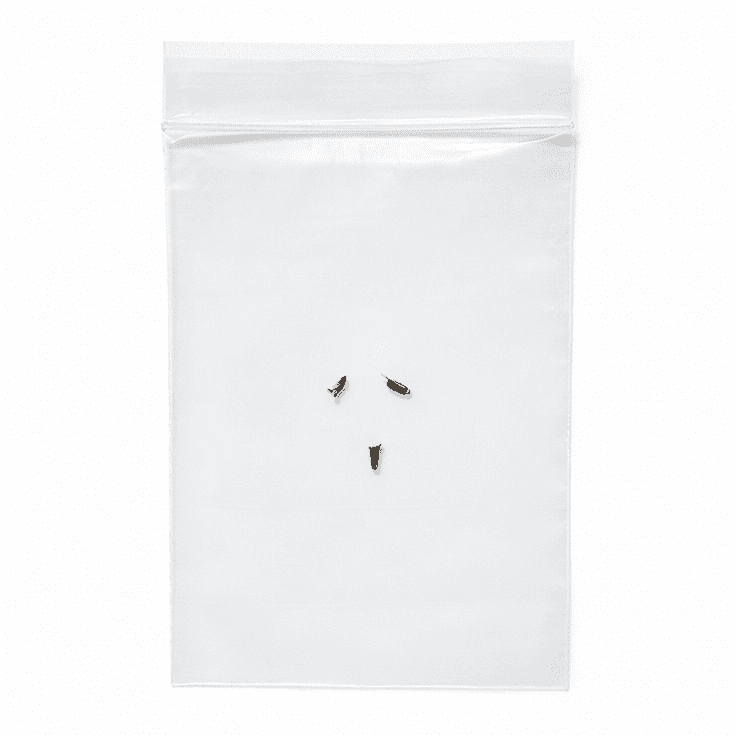
- Please provide 3 or more nail clippings.
- Longer clippings are preferred. We recommend approximately 2 mm or longer when possible.
- If blood from the bird is attached to the clipping, do not wipe it off.
Avoid cutting too deeply or causing excessive bleeding. If you are unsure about safe collection, please consult a veterinarian or another qualified professional.
View sample image
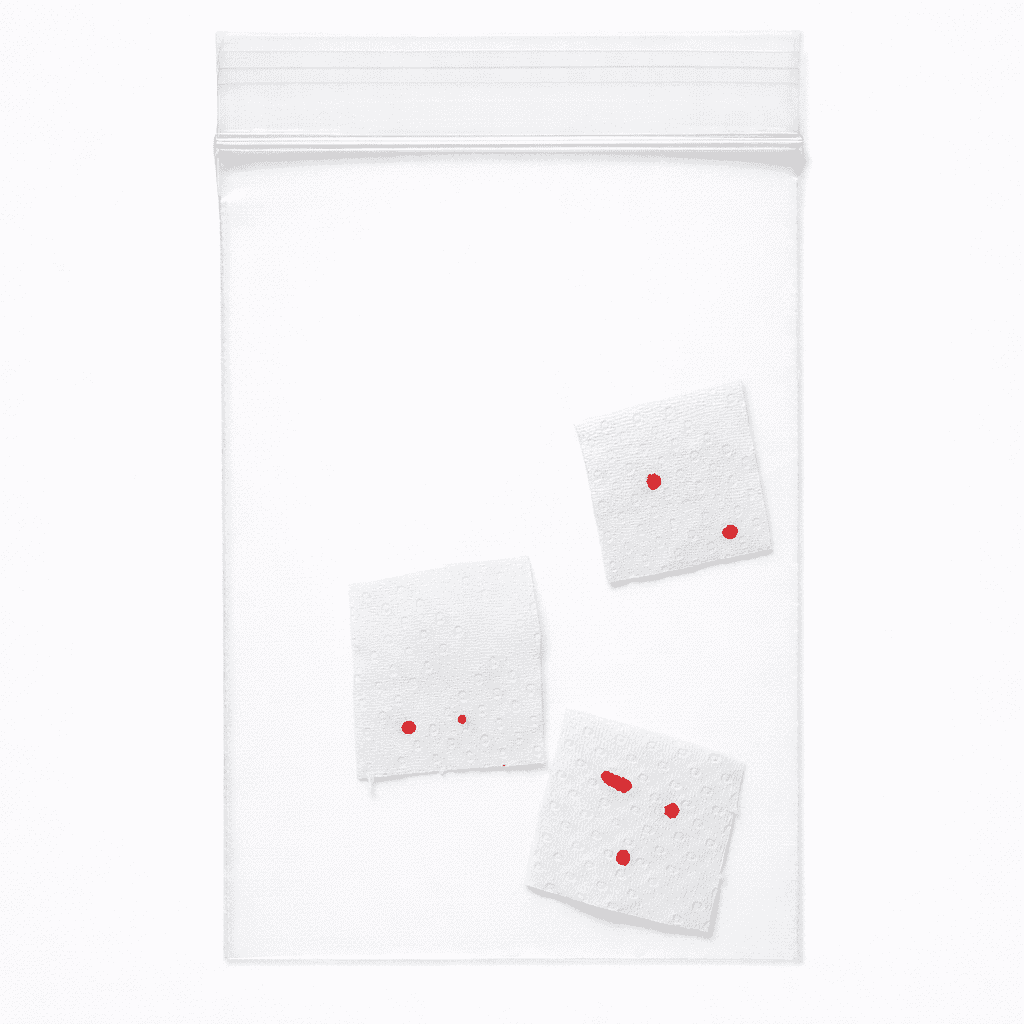
- Apply a small amount of blood to 3 or more pieces of clean filter paper or paper towel, or to 3 or more cotton swabs.
- After applying the blood, allow the samples to dry completely in a clean area without contact with other objects.
- If collecting blood from the tip of a nail, keep the amount of bleeding to a minimum.
Always make sure bleeding has stopped after collection. If you are unsure about safe collection, please consult a veterinarian or another qualified professional.
View sample image
4. Collecting Samples
When collecting samples from more than one bird, take care to prevent DNA from another individual from contaminating the sample.
Contamination with material from another bird may affect the test result.
- Collect samples using clean hands or clean disposable gloves.
- Complete the collection and packaging of one bird’s sample before handling the next bird.
- Change gloves or wash your hands thoroughly between birds.
- Use disposable collection tools whenever practical.
- If nail clippers, tweezers, scissors, or similar tools are reused, clean and disinfect them appropriately between birds and allow them to dry completely before reuse.
- If you have received specific collection instructions from a veterinarian, follow those instructions.
5. Packaging Samples
- Allow samples to dry thoroughly before packaging. Sealing wet samples may promote mold, decomposition, and DNA degradation.
- Place each bird’s fully dried sample in a separate, clean zip-top plastic bag.
- If you are submitting more than one type of sample from the same bird, keep each sample type separate.
- Clearly label each bag so that it can be matched with your order. Please include the bird species and identification number or bird name.
- Make sure the sample bag cannot open or become damaged inside the outer envelope or parcel.
6. Storing Samples Before Shipping
- Send collected samples to forbird as soon as reasonably possible.
- Until shipment, keep samples away from direct sunlight, high temperatures, high humidity, and water.
- Make sure samples remain dry during storage.
- Do not apply alcohol, disinfectant, or other chemicals directly to the sample.
7. International Shipping
Please complete your order before sending samples. The shipping address in Japan will be provided in your order confirmation email.
- We recommend EMS or another reliable international air mail or courier service.
- We recommend using a shipping method that provides tracking.
- Avoid surface or sea mail. Long transit times and exposure to high temperatures may reduce sample quality.
- Protect the sample bags or containers so that they cannot open or become damaged during transportation.
- Check the carrier’s requirements before shipping biological samples internationally.
8. Samples We Cannot Accept
We may be unable to perform testing on samples that meet any of the following conditions:
- The sample cannot be matched to a specific bird or order.
- Samples from multiple birds have been mixed together.
- The information written on the sample does not match the order information.
- The amount of sample is substantially below the required quantity.
- The sample is wet, decomposed, moldy, or heavily contaminated.
- The sample bag or container is damaged and the contents have leaked or become contaminated.
- The sample is not one of the accepted sample types for Bird DNA Sexing.
- The sample has been stored or shipped under conditions that make reliable testing difficult.
- forbird determines that the sample cannot be safely or appropriately tested.
9. Customs and Quarantine
Customers are responsible for ensuring that samples are exported, imported, declared, and shipped in compliance with all applicable laws, regulations, customs requirements, animal quarantine requirements, and carrier policies.
- forbird cannot provide legal advice regarding export or import requirements in individual countries or regions.
- forbird cannot guarantee customs or quarantine clearance.
- Any customs duties, taxes, inspection fees, return shipping costs, or other related charges are the customer’s responsibility.
- If required, please provide an accurate description of the shipment that is consistent with the actual contents and your carrier’s instructions.
- Do not use a misleading description or declaration for the contents of the shipment.
10. Updates to These Guidelines
These guidelines may be updated without prior notice when our testing procedures, sample handling requirements, shipping procedures, or applicable regulations change.
Please review the latest version of these guidelines before collecting and shipping your samples.